Select language
- Focus on fun
Since the best movement is the one that gets done, it is important that moving is fun. Therefore, try to avoid talking about ‘musts’ and ‘shoulds’, and focus on activities that both you and your child find enjoyable. - Let the child choose
People’s engagement increases when they can decide for themselves. This also applies to children. Ask curiously what movement activities your child likes. If your child finds it difficult to articulate what they want, give them a few clear options to choose from. - Planning movement into your daily life
If we don’t actively plan for movement, it’s easy to get stuck at the screen. Help your child make movement a part of every day. Can you cycle or walk instead of travelling by car or bus? Are there stairs to choose instead of a lift? - Think in broad strokes
Don’t get stuck in the idea that exercise has to feel or be a certain way. Climbing, jumping, dancing, running, climbing trees, there are so many ways to move and exercise your motor skills almost without realising it. - Say yes
Play together. Whether your child wants to shoot football penalties or play tag in the forest, join in. Practise saying yes to what your child suggests, even if it doesn’t follow traditional rules or what you have in mind. - Affirm and challenge
Children want to be seen by their adults. Remember to recognise their progress and encourage them to try new things by telling them you believe in them. - Let it get messy
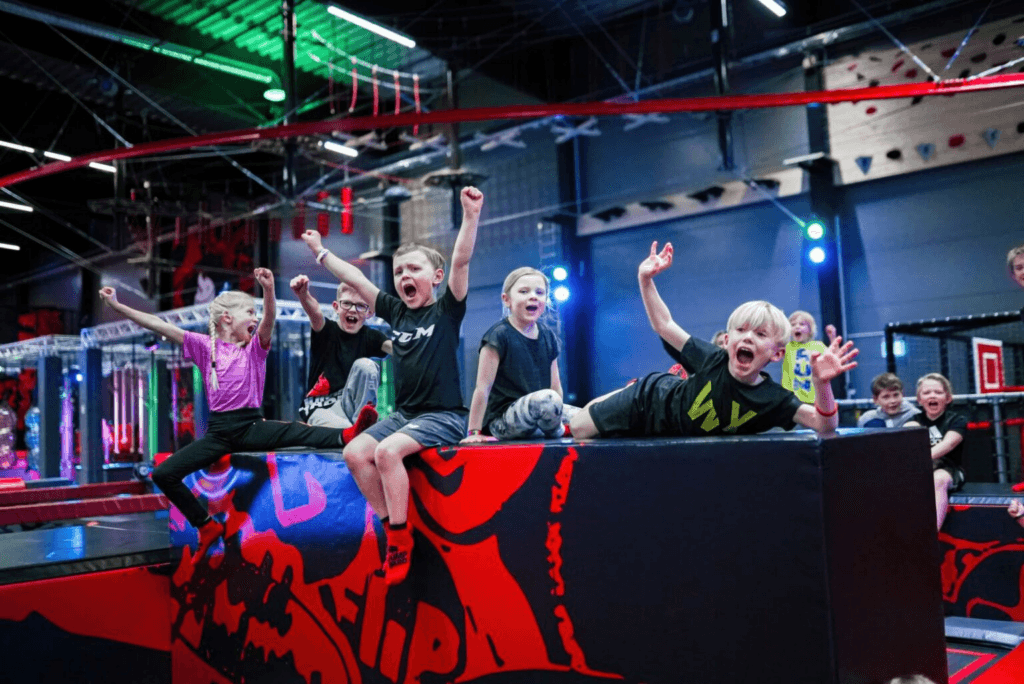
Happy children move and children are happy to move, so it can easily get a little wild, loud and messy. Try to focus on the play in the moment and take care of the cleaning later. If you are crowded inside, go outside. - Join forces with others
Find more people who want to get more exercise in their lives and do things together. Other children increase the chances that your child will enjoy hanging out. - Remind and encourage
It takes time to create a new habit. Encourage your child when they succeed and remind each other by asking the question: Did we move today? - Take ownership of the actvity
With today’s distractions and apps designed to grab their attention, it’s no wonder children are opting out of movement. Show that you understand, but also explain that it is your adult responsibility to make sure they get enough exercise. And if you do move, show it, because children don’t do what we say, they do what we do.
10 tips to get kids moving
News & trends
Many adults worry that their children are sitting still too much. Here are 10 tips for adults to help you make movement a fun part of your child's life.